
Text to Image
Minimal Black Ink Illustration Blueprint Prompt — AI Image Prompt
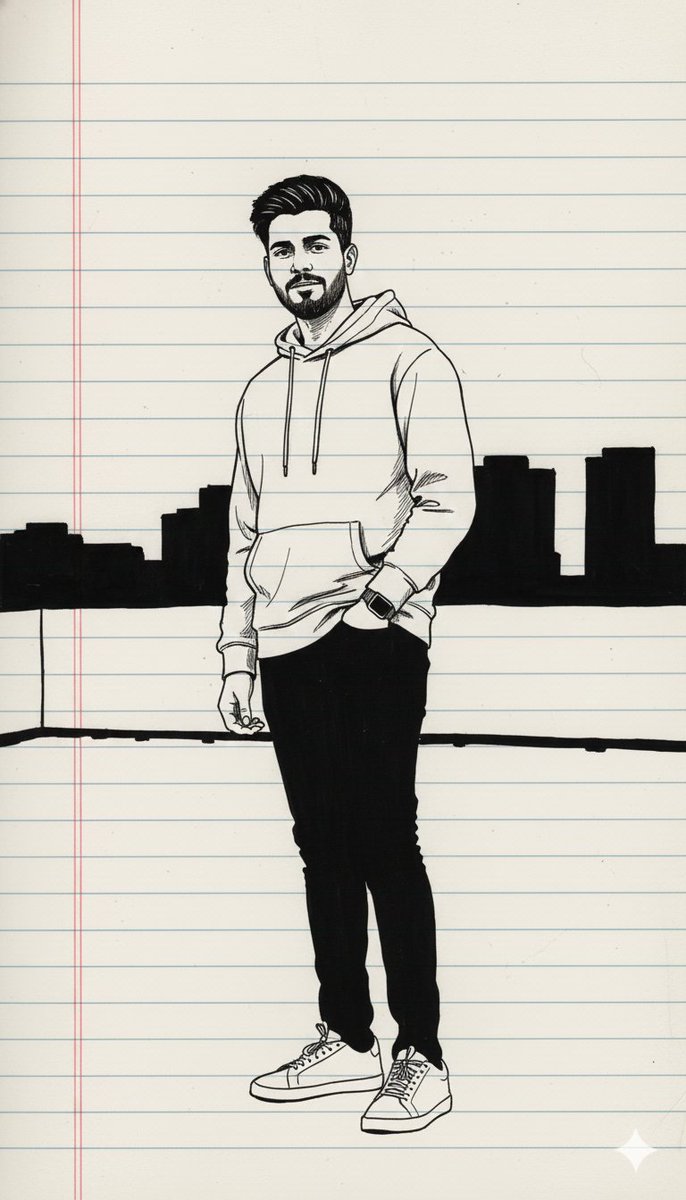
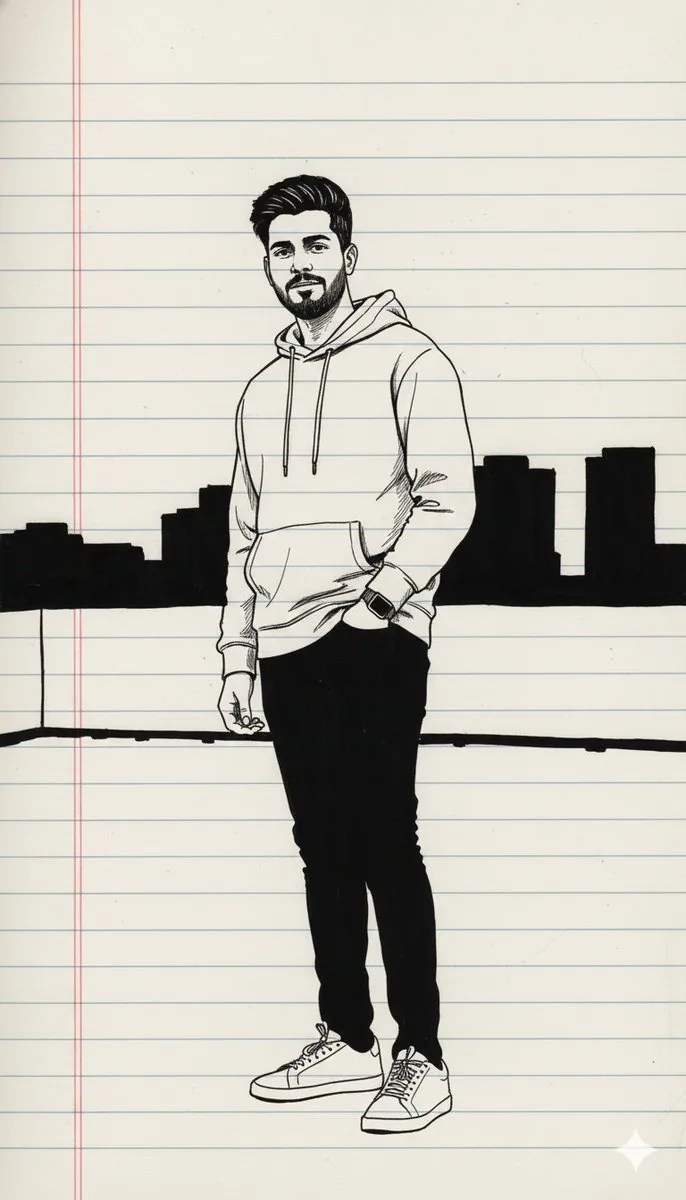
A JSON prompt designed to convert an uploaded image into a minimal black ink, full-body illustration style. The output should resemble a moody, artistic drawing created with bold, heavy strokes on plain notebook paper, rendered in 4K resolution.
Prompt
Create a creative image of Minimal Black Ink Illustration Blueprint Prompt. Style: photorealistic. Composition: balanced and well-framed. Lighting: natural with cinematic mood. Category: photography. Reference: minimal-black-ink-illustration-blueprint-prompt-2891.
Prompt breakdown
- Subject
- minimal black ink illustration blueprint
- Style
- photorealistic photography
- Lighting
- natural with cinematic mood
- Composition
- balanced and well-framed
- Mood
- cinematic
Remix ideas
- Overlay faint grid lines in diluted blue ink to strengthen the blueprint identity without overpowering the black strokes.
- Shift the camera angle slightly lower to catch paper grain and micro-shadows under the natural light source.
- Reduce overall contrast so the ink lines sit softly against an off-white paper tone for a more archival blueprint feel.
Reference images
How to use this AI Image prompt template
 1
1Copy the prompt — grab this template’s prompt and negative prompt.  2
2Pick a model — choose a recommended AI model for the best match.  3
3Generate — open the studio with one click and create your result.
Related templates

Fairy Tale Woodcut Engraving Style
Create a creative image of Fairy Tale Woodcut Engraving Style. Style: photorealistic. Composition: balanced and well-framed. Lighting: natural with cinematic mood. Category: photography. Reference: fairy-tale-woodcut-engraving-style-23630.

Printable Paint by Numbers Generator
Create a professional high-resolution paint-by-numbers template from the provided image as a single PNG only. Use an A4 portrait ratio canvas (canvas size) at 300 DPI with a pure white background. The main artwork must be a clean black-and-white line drawing containing only black outlines, black numbers, and white unfilled paintable areas. Do not create a PDF, document, mockup, multi-page layout, or colored version. Do not use color, gray, shading, texture, gradients, transparency, or pre-filled areas in the main artwork. Analyze the original image and choose the number of colors adaptively based on image complexity, from 1 to a maximum of 14 colors (color count). If the image has only 1–2 important colors, use only 1–2 colors; for simple images use 3–6 colors; for medium complexity use 7–10 colors; for complex, photographic, or highly detailed images use 11–14 colors. Do not force unnecessary colors. Assign each selected color one unique number and merge similar shades unless separation is essential for recognition. Convert the image into simplified, fully closed, easy-to-paint regions while preserving the recognizable composition, main objects, characters, text, logos, foreground, background, and key details. Every paintable white region must contain the correct black number, centered clearly inside the matching area, readable, upright, and not touching outlines. Large black or dark areas from the original must remain white paintable regions with the correct number, not filled black. Only tiny permanent black line details, such as mouth lines, nostrils, pupils, eyelashes, seams, or small decorative strokes, may remain unnumbered. At the bottom of the same PNG, add a neat legend section with the heading “Instructions”, the sentence “Paint the areas with the matching colors.”, and a list of every used number with a small color swatch and the English color name. Color swatches may appear only in the legend. Ensure the numbering exactly matches the legend, every paintable area is numbered, all regions are closed, and the final result is clean, professional, print-ready, and recognizable as the original image.3b:T8a9,Create a p

Ink Sketchbook Zine Illustration
Transform any provided reference photo into a vertical 4:5 (aspect ratio) stylized ink-drawn sketchbook illustration. Use the person, outfit, pose, accessories, pet, objects, mood, and overall character from the reference photo as the main subject. Do not copy fixed clothing or fixed phrases from previous examples. Adapt all visual details to the new reference image. Create a high-detail black ink and fineliner illustration on a white sketchbook page. The drawing should fill almost the entire frame, with no fabric element, no colored cloth, and no extra textile foreground. Composition: - one main full-body or main portrait illustration based on the reference photo; - 1-3 additional smaller sketch studies inspired by the same subject, such as side view, back view, close-up portrait, accessory detail, pet/object detail, or gesture pose; - small hand-drawn decorative elements around the subject: hearts, stars, sparkles, arrows, leaves, dots, mood symbols, tiny doodles; - balanced but dense sketchbook layout, editorial zine feeling. All handwritten text must be in Russian (language) only. The text should be random, natural, and relevant to the mood, outfit, season, activity, personality, or atmosphere of the reference photo. Do not repeat the same phrases every time. Art style: expressive handmade sketchbook aesthetic, nostalgic indie zine warmth, high-detail manga-influenced editorial line art, rich black India ink, fineliner, marker and brush-pen hatching, cross-hatching, varied pen nib strokes, subtle ink bleed, visible sketch construction lines. Render textures from the reference carefully: fabric folds, hair, accessories, shoes, bags, jewelry, pets, objects, skin shadows, material surfaces, and distinctive silhouette. Camera and format: vertical 4:5 format, close-up overhead flatlay photo of a white sketchbook page, slightly tilted top-down angle around 20 degrees, centered composition, drawing filling the screen, visible paper grain and sketchbook edge. Lighting: soft natural diffused morning daylight (lighting) from a window, even cool-key illumination, subtle diagonal page shadow, gentle softbox fill, neutral whites, deep blacks. Image quality: high-resolution print-quality output, 300 DPI, ultra-crisp ink detail, slight warm tone adjustment, contrast +15, clarity +10, subtle vignette, selective sharpening on ink strokes, minimal noise reduction to preserve paper texture. Final look: contemporary sketchbook photography meets editorial zine illustration, clean, polished, high-fidelity, suitable for print and portfolio presentation.

3D Wireframe Illustration Transformation
Create a cinematic image of 3d Wireframe Illustration Transformation. Style: photorealistic. Composition: balanced and well-framed. Lighting: natural with cinematic mood. Category: cinematic-video. Reference: 3d-wireframe-illustration-transformation-19273.

Monochrome Hand-Drawn Sketch Transformation
Create a cinematic image of Monochrome Hand Drawn Sketch Transformation. Style: photorealistic. Composition: balanced and well-framed. Lighting: natural with cinematic mood. Category: cinematic-video. Reference: monochrome-hand-drawn-sketch-transformation-1864.

Nostalgic Puppet Play Scene
提供された画像をキャラクターの基準リファレンスとして使用すること。 参照画像のキャラクターを主人公とした、 「懐かしい名作人形劇のワンシーン (人形劇のテーマ)」 を描くこと。 これはキャラクター設定資料ではない。 これはポスターではない。 これはキービジュアルではない。 これは実際にテレビ放送された架空の人形劇作品の劇中シーンである。 キャラクターは操演人形として表現すること。 頭部、 手、 腕などには操演用の操作棒やロッドが接続されていること。 必要に応じて操り糸を使用してもよい。 人形は布、 フェルト、 木材、 樹脂、 金属関節などで制作されたような質感を持つこと。 参照画像の顔立ち、 髪型、 耳、 衣装、 色彩設計、 性格的特徴を維持しながら、 人形劇の人形として自然に再解釈すること。 背景は人形劇専用のミニチュア舞台セットであること。 街、 村、 城、 森、 宇宙船、 研究所、 異世界都市など、 参照画像キャラクターの世界観に合わせて自然に構築すること。 背景セットは実物大ではなく、 職人が制作したミニチュア舞台であることが伝わること。 手作り感のある建物。 小さな街灯。 張りぼての岩山。 模型の樹木。 ミニチュア家具。 作り込まれた舞台装置。 豊富な小道具を配置すること。 キャラクターは物語の途中であること。 会話中。 冒険中。 事件発生中。 追跡中。 探索中。 戦闘中。 祝賀会。 作戦会議。 感動的な再会。 逃走劇など、 視聴者が前後の物語を想像できる状況を描くこと。 画面内に文字、 字幕、 ロゴ、 タイトル、 クレジット、 テロップは表示しないこと。 照明は温かく自然であること。 舞台照明らしい陰影を持つこと。 少し古いテレビ番組を思わせる柔らかなライティング。 手作りの温もり。 児童文学のような空気感。 家族向けファンタジー作品の雰囲気。 どこか懐かしく、 「昔こんな番組を見た気がする」 と思わせるノスタルジックな空気感を重視すること。 人形劇の撮影現場ではなく、 実際に放送された劇中シーンとして描写すること。 高品質アニメイラスト。 高品質ミニチュアセット。 豊富な小物描写。 奥行きのある舞台構成。 映画のワンシーンのような構図。 静止画の一瞬から物語が感じられる演出を重視すること。39:T89b,Use the provided image as the character's reference. Create a scene from "a scene from a nostalgic masterpiece puppet play (puppet show theme)" starring the character from the reference image. This is not character design material, a poster, or a key visual. It is a scene from an actual fictional puppet show broadcast on television. The character should be represented as a performing puppet, with operating rods or rods connected to the head, hands, and arms. Puppetry strings may be used if necessary. The puppet should have textures as if made of cloth, felt, wood, resin, or metal joints. Maintain the facial features, hairstyle, ears, costume, color scheme, and personality traits of the reference image while naturally reinterpreting it as a puppet for a play. The background should be a miniature stage set dedicated to the puppet show. Construct it naturally according to the worldview of the reference image character, such as a town, village, castle, forest, spaceship, laboratory, or otherworldly city. The background set should convey that it is a miniature stage made by craftsmen, not full-scale. Include buildings with a handmade feel, small streetlights, papier-mâché rocky mountains, model trees, miniature furniture, elaborate stage equipment, and abundant props. The character should be in the middle of a story: in conversation, on an adventure, during an incident, in pursuit, exploring, in battle, at a celebration, in a strategy meeting, an emotional reunion, or an escape, depicting a situation where the viewer can imagine the story before and after. Do not display text, subtitles, logos, titles, credits, or captions in the frame. The lighting should be warm and natural with stage-like shadows. Use soft lighting
Explore more prompts
Browse more AI image and video prompts by category.
FAQ
- Why pair photorealistic photography with a minimal black ink blueprint?
- The combination turns flat line art into a tangible photographed object, revealing paper texture and natural light interaction that pure illustration cannot convey.
- What role does the reference tag play in this prompt?
- The tag minimal-black-ink-illustration-blueprint-prompt-2891 ensures stylistic consistency across generations by pointing the model to the same sparse blueprint aesthetic.
- Is the Minimal Black Ink Illustration Blueprint Prompt prompt free to use?
- Yes, this prompt is completely free on AI Pin Maker and you can copy it directly with no signup or payment required.
- How do I use the Minimal Black Ink Illustration Blueprint Prompt prompt to generate an image or video?
- Copy the prompt, tweak the subject or style to fit your idea, then paste it into AI Pin Maker and generate your image or video in one click.
- Can I change the Minimal Black Ink Illustration Blueprint Prompt prompt into my own version?
- Absolutely, just replace the subject, style, or parameters in AI Pin Maker to make the prompt entirely your own.