
텍스트 투 이미지
Kasa Jizo Folktale Illustration Prompt — AI 이미지 프롬프트
A simple prompt used with GPT-5 to generate an illustration based on the Japanese folktale 'Kasa Jizo' (The Jizo Statues with Hats). The prompt asks for a beautiful illustration style depicting any scene from the story, resulting in an image resembling a picture book illustration. - AIPinMaker
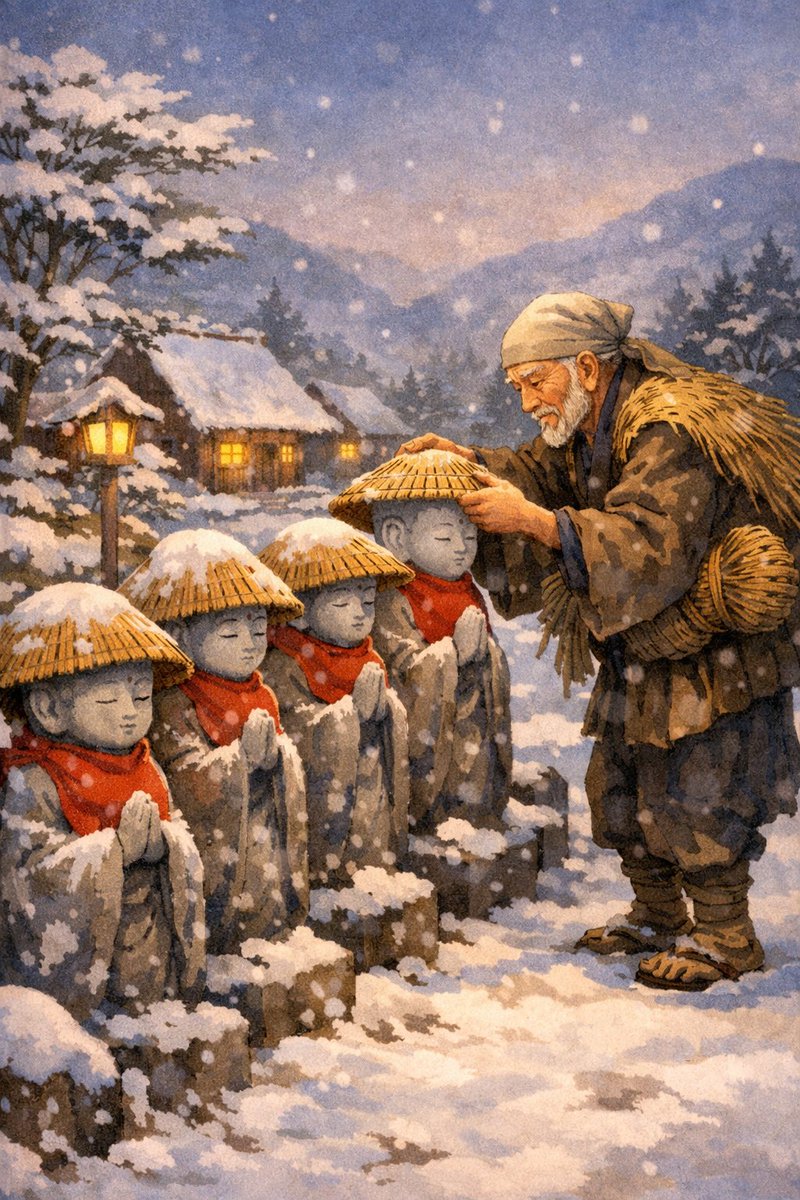
프롬프트
Create a creative image of Kasa Jizo Folktale Illustration Prompt. Style: photorealistic. Composition: balanced and well-framed. Lighting: natural with cinematic mood. Category: photography. Reference: kasa-jizo-folktale-illustration-prompt-1835.
이 AI 이미지 프롬프트 템플릿 사용 방법
 1
1프롬프트 복사 — 템플릿의 프롬프트와 네거티브 프롬프트를 가져오세요.  2
2모델 선택 — 가장 잘 맞는 추천 AI 모델을 고르세요.  3
3생성 — 클릭 한 번으로 스튜디오를 열어 결과를 만드세요.
관련 템플릿
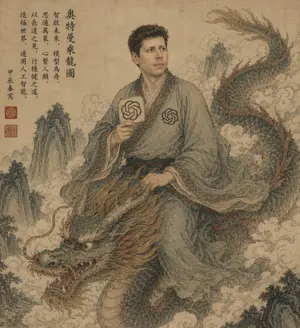
Ancient Scroll Scholar Riding Dragon
An ancient Chinese ink-and-wash style portrait on aged tan parchment, composed like a classical hanging scroll. A scholarly East Asian man in flowing gray-blue robes sits side-saddle atop a long serpentine Chinese dragon emerging through swirling clouds. His face is intentionally obscured by a flat rectangular blur block in parchment-brown tones. He has short dark curly hair and wears layered traditional robes with ornate patterned trim, a dark sash belt, and two modern OpenAI knot emblems worked into the costume: one printed on the chest and one on a round hand fan he holds upright in his right hand. His left hand rests near the dragon's mane as if holding the creature steady. The dragon is large and detailed, with blue-green scales, a pale underbelly, reddish-brown mane and fin accents, antler-like horns, whiskers, bared teeth, and a fierce expressive face in the lower left foreground, while its body coils upward to the upper right. Surround the figures with mist, stylized clouds, and steep craggy mountain peaks fading into the background. Add a vertical column of black Chinese calligraphy at the upper left and 3 red seal stamps near the lower part of the inscription area. The palette is muted, dusty, and antique: parchment beige, faded teal, moss green, smoky gray, sepia, and rust. Overall feeling: mythical, scholarly, dignified, slightly surreal, blending classical Chinese scroll painting with subtle modern AI iconography. Highly detailed brushwork, weathered paper texture, elegant composition, no border, full-frame vertical artwork.
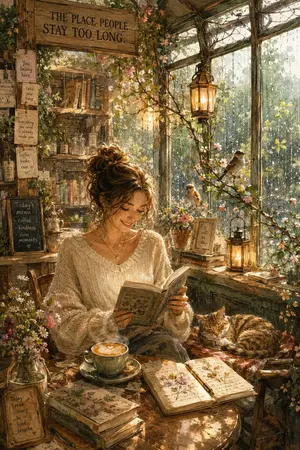
Watercolor Glasshouse Cafe Illustration
Create a breathtaking luxury watercolor-style illustration titled: "THE PLACE PEOPLE STAY TOO LONG. (title)" IMPORTANT: Do NOT recreate a normal coffee-shop portrait. Instead, create a scene so warm and inviting that viewers wish they could step inside it. STYLE: Masterpiece watercolor illustration. Premium storybook realism. Rich painterly textures. Visible brushwork. Elegant paper grain. Warm hand-painted atmosphere. MAIN SUBJECT: A naturally beautiful young woman (subject) seated inside a hidden glasshouse café. She should feel: genuine, approachable, intelligent, effortlessly charming. Not model-like perfection. Not influencer aesthetics. Her smile should feel authentic and unforced. WARDROBE: Soft oversized cream knit sweater (outfit). Loose sleeves. Minimal jewelry. Simple elegance. SCENE: A magical glasshouse café surrounded by nature. Floor-to-ceiling windows. Morning sunlight streaming through plants. Wildflowers growing inside the café. Books stacked on shelves. Tiny hanging lanterns. Steam rising from coffee. Handwritten notes pinned to walls. A sleeping cat curled beside her chair. Outside: Gentle rain tapping against glass. Blurred greenery. Small birds perched near the windows. DETAILS: The woman is reading a book. A warm latte sits nearby. Several pages contain pressed flowers. Tiny watercolor imperfections should make everything feel handmade. The environment should contain dozens of subtle cozy details that reward viewers for looking longer. LIGHTING: Soft rainy-morning light. Warm café glow. Golden highlights on hair. Diffused window illumination. Gentle shadows. COLOR PALETTE: warm beige, cream, soft sage green, dusty rose, golden sunlight, muted browns. COMPOSITION: The café environment should be just as important as the woman. Viewers should first notice her. Then slowly discover: books, plants, rain, lanterns, cat, flowers, coffee details. MOOD: Peace. Comfort. Safety. Nostalgia. The image should feel like a memory people wish they had. NO: modern influencer posing excessive glamour fashion-magazine styling heavy makeup dramatic cinematic effects AI fantasy aesthetics The final artwork should feel: like the most beautiful rainy morning someone has experienced in years.3d:T9

Shan Hai Jing Vintage Comic Page
Using the provided reference image as a layout and style guide, recreate it as a vintage Chinese mythological illustrated story page instead of the Monkey King page. Keep the aged textbook/comic print look, yellowed paper texture, retro ink-and-watercolor rendering, and boxed multi-panel composition. Replace the original content with a 山海经-themed page. Preserve the vertical title block on the left, but change the main title to 山海经 (title text). Build a total of 8 content panels: 1 large title/hero panel at the top left featuring a mythic figure and a red sun, 5 medium boxed narrative panels in the middle rows with different ancient myth scenes, and 2 wide horizontal panels across the bottom row. Add dense Chinese explanatory captions under each panel in the same old-print style, with small numbered labels for panels 2 through 8 and a small red seal-like tag near the title. The overall result should feel like an antique Chinese serialized picture-book page from a retro children’s mythology encyclopedia.3b:T421,Using

Taisho Roman x Modern Fashion Fusion
添付画像はidentity参照用です。参照画像の絵柄、塗り、線画、頭身、陰影、演出、元衣装、元ポーズ、体の向き、手の位置、脚の配置、視線方向、カメラアングル、構図には引っ張られすぎないでください。維持するのは、顔立ち、髪型、髪色、瞳、年齢感、体型、雰囲気、性格の印象、モチーフ性、魅力、象徴的ディテール、種族性 (キャラクター特性)です。このキャラクターに最も似合う「大正ロマン × 現代ファッション」ミックス衣装を新規デザインしてください。重要なのは、大正ロマン風の服をそのまま着せることではなく、このキャラクターが現代に生きながら、大正ロマンの美意識や和洋折衷の空気感を自然に取り入れたらどんな装いになるか、という発想で再構成することです。元衣装は単純変換せず、色やモチーフのヒントのみ必要に応じて抽出してください。衣装全体の方向性は、大正ロマン 50%:現代ファッション 50% (ミックスバランス)くらいの中間バランスにしてください。現代服をベースにしつつも、大正ロマンらしい上品さ、レトロ感、和洋折衷感がしっかり伝わるようにしてください。ただし、歴史衣装の再現や和装コスプレにはせず、現代でも自然に着られる洗練された「大正モダン」なファッションとして成立させてください。衣装は、「大正ロマンらしい上品さ・レトロ感・和洋折衷感」と、「現代ファッションとしての洗練・抜け感・実用性・トレンド感」を両立してください。普通の現代服に和柄を少し足しただけにはせず、逆に袴や着物そのものの再現にも寄せすぎず、両方の要素が自然に混ざり合ったデザインにしてください。キャラクターの印象に合わせて、清楚、可憐、知的、退廃的、華やか、クール、活発、中性的、妖艶、儚さ、重厚感などを適切に選び、衣装構成、柄、配色、小物、素材感を最適化してください。使ってよい要素:羽織風アウター、着物袖風ディテール、和装コート風ディテール、袴風ボトム、プリーツスカート、ロングスカート、ワイドパンツ、ブラウス、シャツ、ワンピース、セットアップ、ジャケット、ショート丈トップス、立ち襟、フリル、リボンタイ、帯風ベルト、コルセット風ウエストマーク、和柄、花柄、幾何学柄、レース、編み上げブーツ、革靴、厚底、パンプス、帽子、眼鏡、手袋、がま口バッグ、ミニバッグ、ショルダーバッグ、傘、髪飾り、房飾り、アンティーク小物、現代的アクセサリー。衣装カテゴリは固定せず、キャラクターの性別印象、体格、年齢感、性格、役割、モチーフに合わせて自然に選んでください。現代的なシルエット、レイヤード、着やすさ、都会的な洗練を持たせつつ、大正ロマン由来のディテールや空気感が明確に感じられるようにしてください。コスプレ感は避け、自然で洗練された「大正ロマンテイストの現代服」として成立させてください。ポーズ、アングル、構図、表情は元画像と明確に違うものを新規に選んでください。元画像と同じ立ち方、同じ手の位置、同じ顔の向き、同じ重心、同じシルエットは禁止です。衣装が見やすく、キャラクターらしさが伝わる自然なポーズにしてください。背景もキャラクターに似合う空間を自然に選んでください。背景は、現代的な都市空間、室内、ショップ、カフェ、街角などをベースにしつつ、大正ロマン風の意匠やレトロな空気感を少し感じさせる程度にしてください。背景は主張しすぎず、キャラクターと衣装を引き立ててください。最終出力は、統一感のある1つの完成絵柄で再構成してください。高品質な商業アニメイラスト風、シャープな線、綺麗な肌、透明感のある目、整った髪、上品な布の質感、自然な光 (ビジュアルスタイル)。文字なし、ロゴなし、ノイズなし。3d:Tf18,The attached images are for identity reference. Do not be overly influenced by the art style, coloring, line work, proportions, shading, staging, original costume, original pose, body orientation, hand position, leg placement, gaze direction, camera angle, or composition of the reference images. Maintain the facial features, hairstyle, hair color, eyes, perceived age, body type, atmosphere, personality impression, motif, charm, symbolic details, and species (character traits). Design a new "Taisho Roman x Modern Fashion" mixed outfit that best suits this character. The goal is not to simply dress them in Taisho-era clothing, but to reimagine what they would wear if they lived in the modern day while naturally incorporating the aesthetics and eclectic atmosphere of the Taisho era. Do not perform a simple transformation of the original outfit; extract hints of colors or motifs only as needed. Aim for a balanced direction of approximately 50% Taisho Roman and 50% Modern Fashion (mix balance). Use modern clothing as a base while ensuring that the elegance, retro feel, and eclectic Japanese-Western style of the Taisho era are clearly conveyed. However, do not make it a historical reproduction or Japanese cosplay; establish it as sophisticated "Taisho Modern" fashion that can be worn naturally today. The outfit should balance "Taisho Roman elegance, retro feel, and eclectic style" with "modern fashion's sophistication, effortless chic, practicality, and trendiness." Avoid simply adding Japanese patterns to ordinary modern clothes, and conversely, avoid over-reproduction of hakama or kimono. Create a design where both elements blend naturally. Optimize the outfit composition, patterns, color schemes, accessories, and textures by appropriately choosing from styles such as neat, lovely, intellectual, decadent, glamorous, cool, active, androgynous, bewitching, ephemeral, or dignified, according to the character's impression. Permitted elements: Haori-style outerwear, kimono-sleeve details, Japanese coat details, hakama-style bottoms, pleated skirts, long skirts, wide pants, blouses, shirts, dresses, sets, jackets, short tops, standing collars, frills, ribbon ties, obi-style belts, corset-style waist marks, Japanese patterns, floral patterns, geometric patterns, lace, lace-up boots, leather shoes, platforms, pumps, hats, glasses, gloves, clasp bags, mini bags, shoulder bags, umbrellas, hair ornaments, tassels, antique items, and modern accessories. Do not fix the clothing category; choose naturally according to the character's gender impression, build, perceived age, personality, role, and motif. Maintain modern silhouettes, layering, ease of wear, and urban sophistication while clearly reflecting Taisho Roman-derived details and atmosphere. Avoid a cosplay feel and establish it as natural, sophisticated "modern clothing with a Taisho Roman taste." Choose a completely new pose, angle, composition, and exp

Showa Modern Meisen Kimono Fashion
添付画像をキャラクター参照として使用し、キャラクターの同一性を維持したまま、新規の昭和モダンな和洋折衷ファッション (ファッションテーマ)のイラストとして描く。参照画像の顔立ち、髪型、髪色、瞳の色と形、年齢感、体型、雰囲気、魅力、性格の印象、モチーフ性、種族的特徴や象徴的ディテールを維持し、別人にしない。元の衣装は再現せず、キャラクターらしさだけを引き継いで完全に新しい衣装へ着替えさせる。参照画像は同一性把握のための資料として扱い、元画像の衣装、ポーズ、構図、カメラアングル、体の向き、手の位置、視線方向、背景、レイアウトは引き継がない。衣装は、銘仙をイメージした昭和モダンな和洋折衷スタイルにする。昭和初期の都市的なおしゃれ着・外出着らしい、軽やかな銘仙風の着物をベースにする。幾何学柄、矢絣、縞、斜めの切り替え、抽象花柄、アールデコ調の要素 (着物の柄)を取り入れ、銘仙らしい大胆でモダンな柄構成にする。先染めの絣らしい、わずかなにじみ、かすかなズレ感、少し柔らかな輪郭表現をさりげなく加え、銘仙特有の味わいを感じさせる。配色は華やかでレトロ感のあるものにし、紺、えんじ、くすみ紫、生成り、マスタード、青緑などを差し色として使ってよい。豪華すぎる礼装ではなく、洒落着としての親しみやすさと上品さを持たせる。洋風の帽子、短めの羽織、ショール、手袋、革バッグ、ブーツまたはパンプスを合わせ、和装と洋装が自然に溶け合った都会的で上品なスタイルにする。必要に応じて、キャラクターの象徴的なモチーフを帯留め、帽子飾り、刺繍、バッグ金具、アクセサリー、小物などにさりげなく反映する。背景は昭和初期の街並み、純喫茶の前、路面電車のある街角、レトロ看板のある商店街、またはノスタルジックな喫茶店の店内 (背景設定)などにする。暖色の灯り、古い街灯、石畳、クラシックな建物、木製家具、ステンドグラスなどを取り入れ、昭和モダンらしいノスタルジックで上品な雰囲気にする。ただし背景は控えめにし、主役は常にキャラクターとする。ポーズ、構図、カメラアングル、表情には自然な変化をつけ、静止した立ち絵ではなく、物語性や空気感のある一枚絵として成立させる。仕上げは参照画像の絵柄、塗り、線の質感、色使いに寄せ、元画像の雰囲気を崩さない。39:Tac4,Use the attached image as a character reference to draw a new illustration of Showa-era modern Japanese-Western fusion fashion (fashion theme) while maintaining character identity. Maintain the facial features, hairstyle, hair color, eye color and shape, age, body type, atmosphere, charm, personality impression, motifs, racial characteristics, and symbolic details of the reference image without making it a different person. Do not reproduce the original costume; instead, carry over only the character's essence and dress them in a completely new outfit. Treat the reference image as a resource for identity and do not carry over the costume, pose, composition, camera angle, body orientation, hand position, gaze direction, background, or layout of the original image. The outfit should be a Showa-era modern Japanese-Western fusion style inspired by Meisen kimono. Use light, Meisen-style kimono typical of urban fashion and outdoor wear in the early Showa era as a base. Incorporate geometric patterns, arrow patterns, stripes, diagonal transitions, abstract floral patterns, and Art Deco elements (garment patterns) to create a bold and modern pattern composition characteristic of Meisen. Subtly add slight blurring, faint misalignment, and soft outlines typical of yarn-dyed kasuri to evoke the unique flavor of Meisen. Use bright and retro color schemes, including navy, crimson, muted purple, cream, mustard, and blue-green as accent colors. Aim for the friendliness and elegance of everyday stylish wear rather than overly luxurious formal attire. Combine with Western-style hats, short haori coats, shawls, gloves, leather bags, and boots or pumps for an urban and elegant style where Japanese and Western clothing blend naturally. Reflect the character's symbolic motifs in obi clips, hat decorations, embroidery, bag har

Chinese Calligraphy Poem Landscape
A traditional Chinese ink wash hanging-scroll style painting on warm off-white rice paper, vertically composed with large black brush-calligraphy occupying the upper and right-central area and a poetic landscape illustration in the lower left and bottom. The calligraphy must be crisp, fully legible, and written in expressive semi-cursive brush script, arranged in 6 vertical columns read right to left. The exact text of the 6 columns is: “金樽清酒斗十千 玉盘珍羞直万钱”, “停杯投箸不能食 拔剑四顾心茫然”, “欲渡黄河冰塞川 将登太行雪满山”, “闲来垂钓碧溪上 忽复乘舟梦日边”, “行路难 行路难 多歧路 今安在”, “长风破浪会有时 直挂云帆济沧海”. Add a smaller vertical signature inscription to the left of the main poem reading “李白行路难”, plus 1 small red square seal beneath the inscription. In the painted scene, show 1 ancient Chinese scholar-poet in flowing pale robes with a dark topknot and trailing ribbons, standing on the edge of a rugged cliff at lower left, gazing upward and outward in contemplation. Below and across the lower half, depict a turbulent river or sea with whitecaps and foam, misty ink-wash mountains receding in the distance, sparse grasses and dark brush vegetation near the cliff edge, and soft atmospheric fog. Use monochrome black and gray ink with very restrained muted blue-gray washes in the water and robe shadows. The mood is heroic, melancholic, and literary, evoking classical Chinese shanshui painting and museum-quality calligraphy, with empty negative space preserved around the text and landscape.3c:T671,A traditional Chinese ink wash hanging-scroll style painting on warm off-white rice paper, vertically composed with large black brush-calligraphy occupying the upper and right-central area and a
더 많은 프롬프트 탐색
카테고리별 AI 이미지·영상 프롬프트를 더 찾아보세요.